

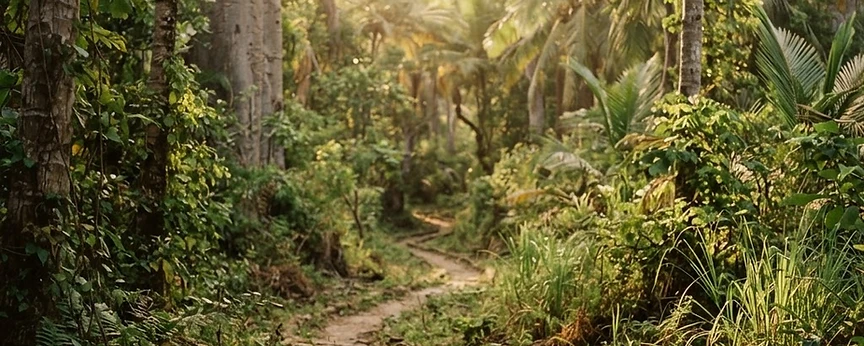
Kilifi is a sun-drenched creek town halfway between Mombasa and Malindi on Kenya's Indian Ocean coast. Long a quiet dhow harbour, it has grown into one of the coast's most rewarding slow-travel destinations — a place of white-sand beaches, sacred Swahili ruins, mangrove creeks and the rare birds of the Arabuko-Sokoke Forest. This guide brings together everything a first-time visitor needs to know, from the best season to travel and how to reach the town, to the top things to do, the watersports on the creek and the practicalities of staying safe and well.
Best time to visit Kilifi
Kilifi enjoys a warm tropical climate year-round, with average daytime temperatures between 26°C and 32°C. The driest and most pleasant months for travel run from January to March and again from July to October, when humidity drops, the Indian Ocean breeze is steady and the roads to the coast are at their best. The long rains fall roughly from April to mid-June, and a shorter wet spell arrives in November and early December. For beach days, dhow cruises on Kilifi Creek and snorkelling trips to Watamu Marine Park, aim for the dry windows. Birdwatchers, though, may prefer the greener months, when migrant species fill the Arabuko-Sokoke Forest.
How to reach Kilifi
Kilifi sits on the Kenyan coast about 60 km north of Mombasa along the A14 tarmac road. Most international visitors fly into Moi International Airport (MBA) in Mombasa, then continue by private transfer, taxi or matatu — a drive of roughly one hour. A growing number of carriers also serve Malindi's small domestic airport, only 50 km to the north, which is convenient if you are already staying around Watamu or Malindi. Self-drivers will find the Mombasa–Malindi road in good condition; fuel is readily available in Kilifi town. For guests of Nadina Villas, our concierge can arrange a trusted driver to meet any flight.
Top things to do in Kilifi
Kilifi rewards slow travel. Sail a traditional dhow at sunset along Kilifi Creek, swim and picnic on the white sands of Bofa Beach, or explore the centuries-old Mnarani Ruins and their sacred baobab above the creek. A short drive inland, the Arabuko-Sokoke Forest offers guided walks to spot the golden-rumped elephant-shrew and the rare Amani Sunbird, while Mida Creek's boardwalk and mangroves are a haven for waders and crab-plovers. Day trips reach Watamu Marine National Park for snorkelling and glass-bottom boat rides, the ruined Swahili town of Gede, and the coral gardens of the Sabaki River mouth. Back in town, the Kilifi Members Club is the social heart of the community — a fine place for a sundowner after a day on the water.
Watersports and the creek
Kilifi Creek is the town's defining feature — a sheltered tidal inlet that is ideal for sailing, kite-surfing, stand-up paddleboarding and kayaking. The steady afternoon trade winds make it one of the coast's most reliable spots for kite-surfing, with local schools offering lessons for complete beginners. Boatyard restaurants along the creek serve fresh oysters, crab samosas and grilled catch straight from the dhows. Always check the tide table before launching any activity: the creek drains significantly at low tide, revealing sandbanks and mangrove edges.
Culture and the Swahili coast
Kilifi is a Swahili town with deep roots in dhow trade, fishing and Islamic scholarship. Friday is the weekly prayer day, and visitors are welcome to admire the town's mosques from the outside and to explore the Mnarani Friday Mosque ruins. Respectful dress — covering shoulders and knees — is appreciated in town and essential when visiting any religious site. The local language is Swahili, and a simple 'Jambo' goes a long way. Markets are busiest and most colourful in the early morning, when fishermen land their catch and vendors sell tropical fruit, coconuts and fresh vegetables.
Staying safe and well
Kilifi is a friendly, low-crime town, but the usual coastal common sense applies: keep valuables out of sight, use trusted drivers after dark and swim only at patrolled beaches. Tap water is not safe to drink — stick to bottled or filtered water, widely available in town. Pack high-factor sunscreen, a hat and insect repellent; long, loose clothing at dusk helps against mosquitoes. Kilifi County Hospital and several private clinics serve the area, and our emergency page lists police, medical and rescue contacts. Travel insurance that covers medical evacuation is strongly recommended for any trip to the Kenyan coast.
Staying at Nadina Villas? Our concierge can build a custom day-by-day itinerary around these recommendations.